













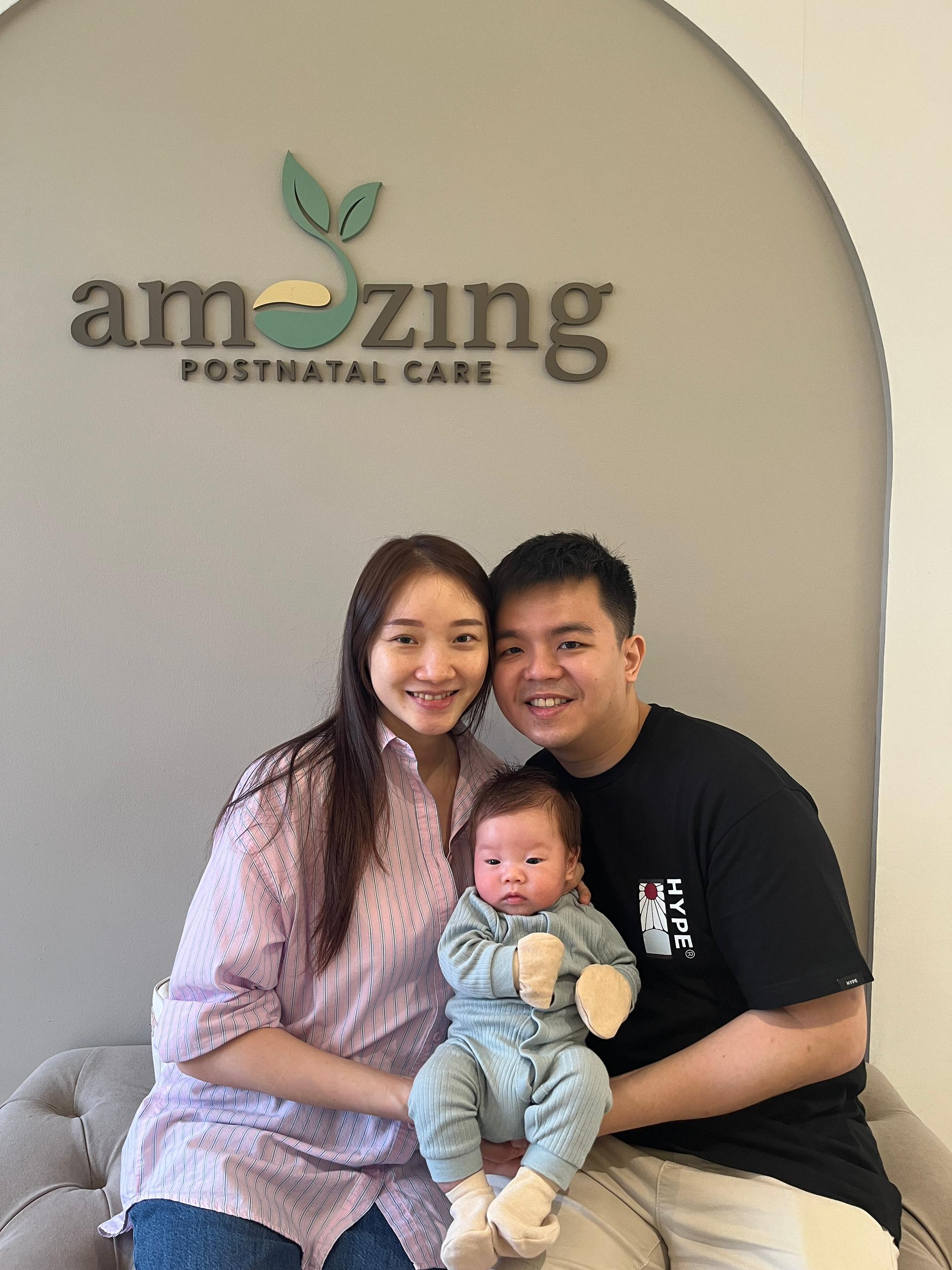
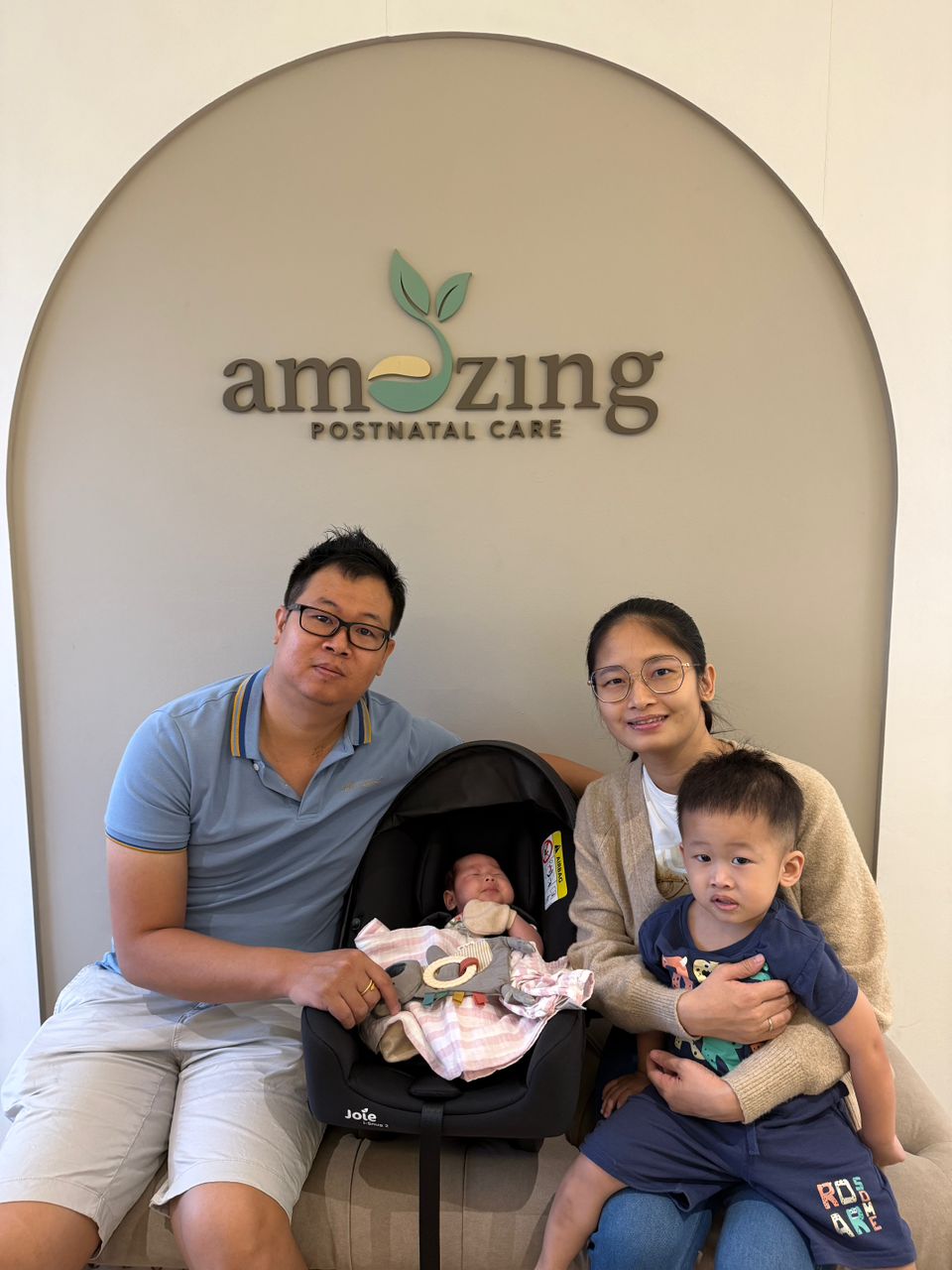
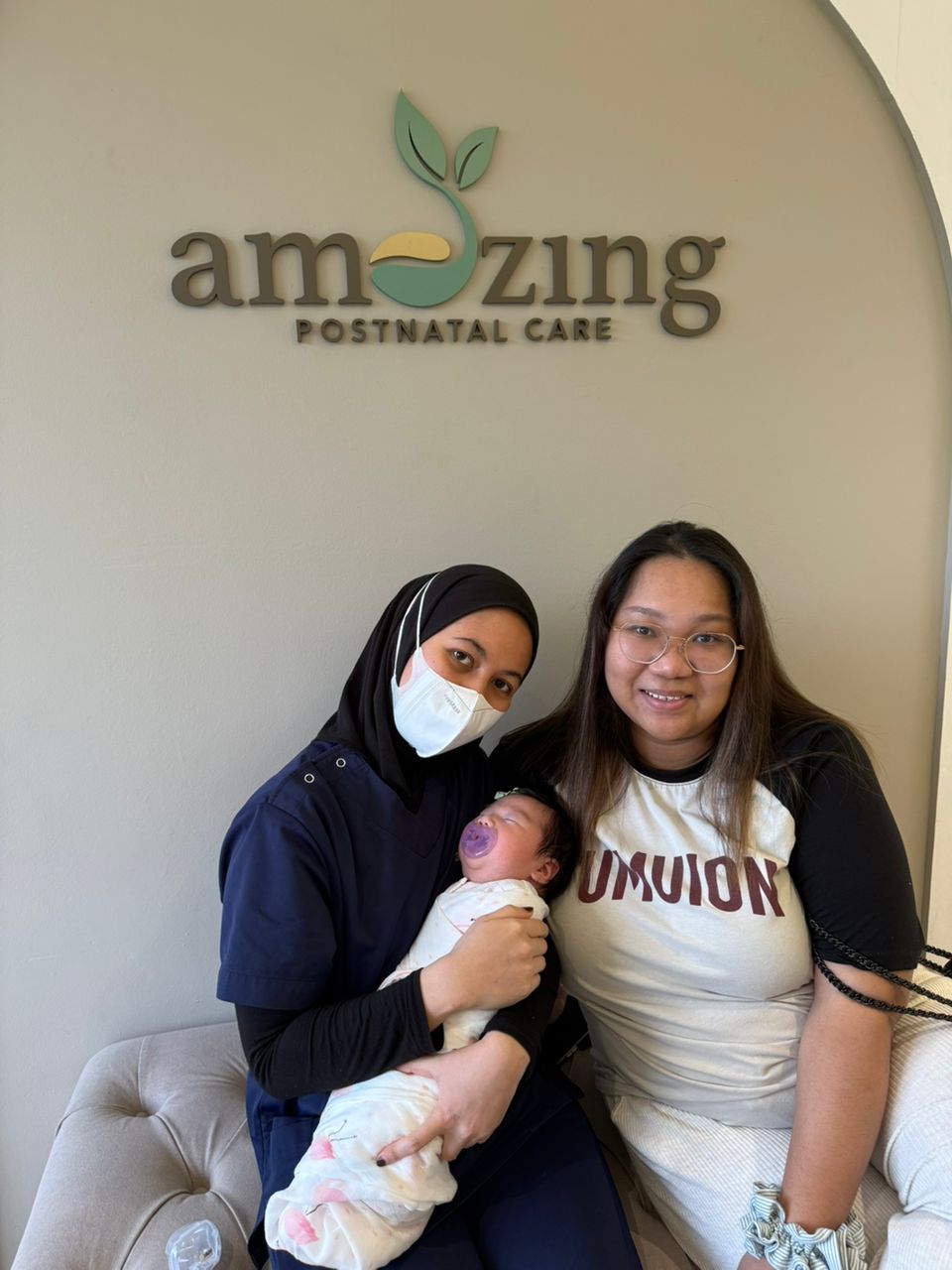
At Amazing, aside from expressing milk, everything else related to caring for my baby was handled by professional nurses. They also proactively updated us on our baby’s latest condition every day, which gave us great peace of mind. The environment is comfortable and restful, and each day seemed to pass by so quickly. Amazing even thoughtfully prepared meals for fathers, allowing us to enjoy warm, shared mealtimes together and feel even closer as a couple. You could say this place truly embodies “happy wife, happy baby, happy life.”
I especially loved the natural lighting in the room—it lifted my mood every single day. Another thoughtful detail was the warm lighting in the bathroom, so I never had to worry about catching a chill while showering. These small but considerate touches made me feel genuinely cared for. Amazing also arranged professional courses to help us overcome challenges with direct breastfeeding and lactation, ensuring that first-time parents could gain practical and useful knowledge.
Without coming to a confinement center, I can’t imagine how overwhelmed I would have been. I’m truly grateful that I chose Amazing—it gave both my baby and me the most reassuring and attentive care.
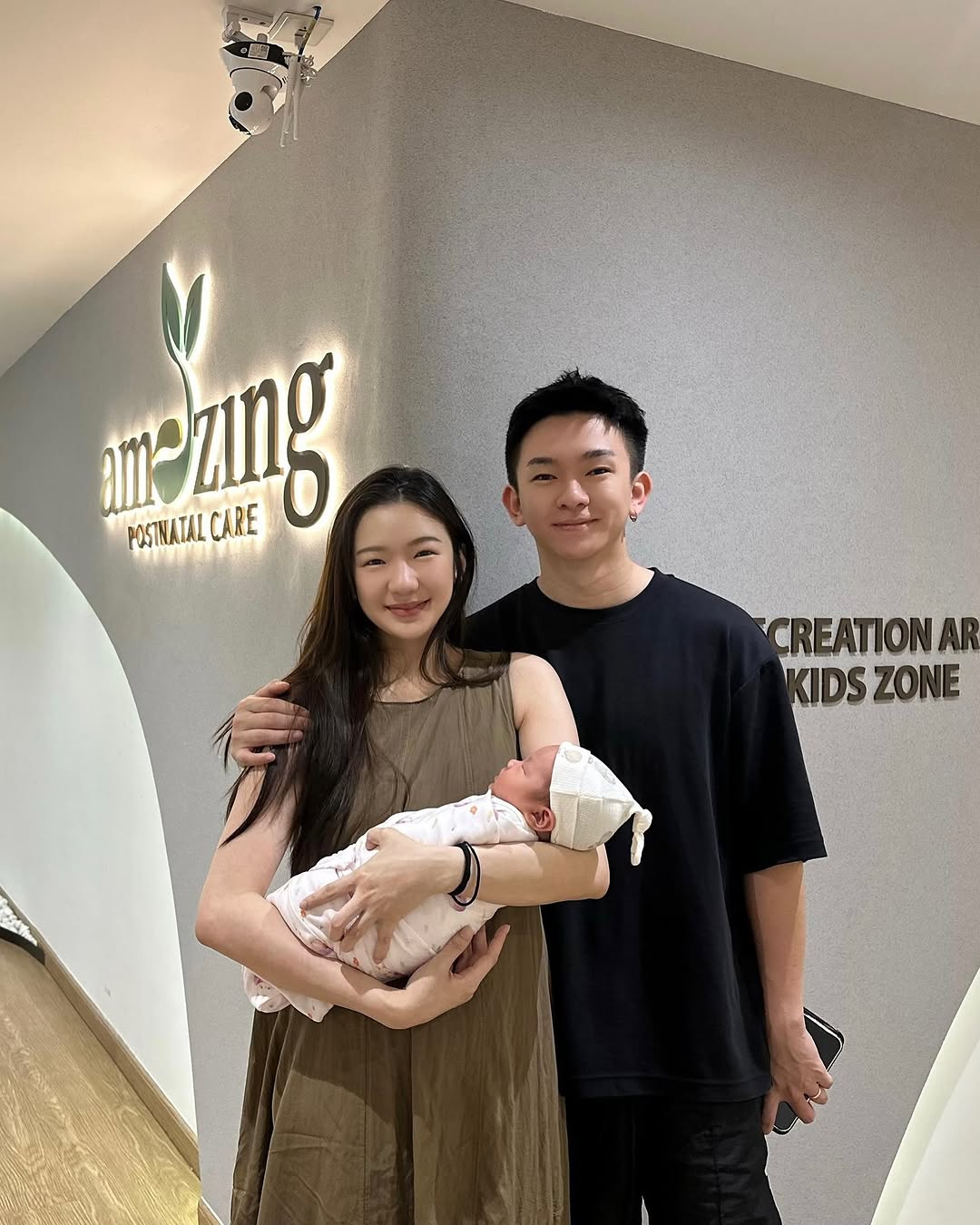
If I had to describe Amazing in three words, it would be “non-stop eating.” The most thoughtful part is the herbal cuisine, which is customized according to each mother’s body constitution. The food is not only nutritionally balanced, but every dish is beautifully presented—just looking at it already lifts your mood before the first bite.
Unlike traditional confinement practices, I learned that under the guidance of a professional TCM doctor, it is perfectly safe to wash your hair. This felt both scientifically reassuring and incredibly comfortable. During my stay, there were also a wide variety of parenting courses and handicraft classes, making daily life enjoyable and engaging.
For me, the most important things during confinement are happiness and proper rest—and Amazing delivered on both. With a five-star environment, five-star service, and five-star care, I was able to spend this important period feeling relaxed, joyful, and completely at ease. My heartfelt thanks to Amazing.
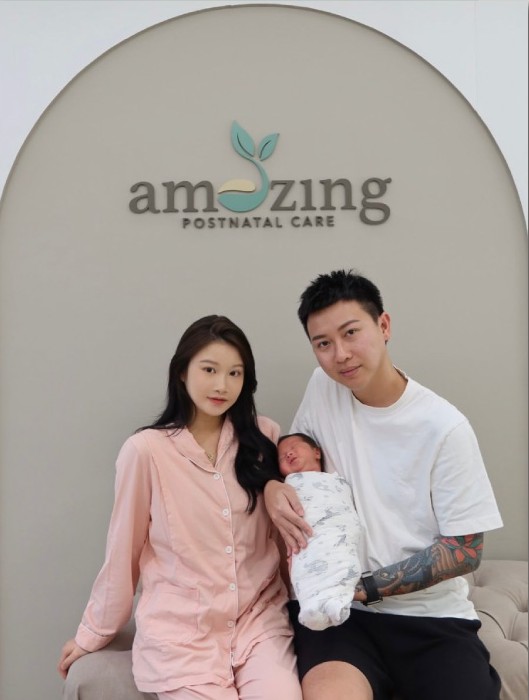
Stepping into Amazing for the first time felt just like entering a five-star hotel—the environment is beautiful and instantly reassuring. There are many professionals here, and even when we encountered our baby’s jaundice, help was available immediately, so we never felt overwhelmed or helpless. One of the reasons we chose this place was the view outside the window—blue skies, white clouds, and lush greenery. Simply looking out was incredibly relaxing.
Every meal reflects the team’s dedication, with thoughtful presentation and well-balanced nutrition. I would give the service full marks: whenever we wanted to see our baby, the nurses made careful arrangements, and doctors regularly monitored both the mother’s and baby’s condition. We also learned a great deal during our stay, including first aid courses, which made us feel much more prepared.
What made the experience especially memorable was seeing our baby enjoy swimming and massage sessions—it was absolutely adorable. At the same time, mothers can take part in handicraft classes, making the confinement period feel enriching, warm, and full of care.

I chose Amazing based on a strong recommendation from a friend, and it truly turned out to be a wonderful decision. I enjoyed every day here—the food and the environment both exceeded my expectations. The caregivers checked on my condition daily, and the TCM doctor also provided regular consultations, guiding me on how to nourish my body and take good care of myself.
I especially loved that Amazing offers hair washing with a special ginger-infused solution, and weekly massages that completely relaxed both my body and mind. What touched me most was the provision of a tablet that allows 24-hour access to CCTV, so I could check on my baby at any time—it gave me great peace of mind.
During the first few days, my emotions were a bit unstable, but the caregivers were always there with patience, comfort, and encouragement, making me feel truly understood and supported. As a first-time mother, I highly recommend confinement centers to new parents. Here, not only is there help to care for the baby, but we also learn many practical skills and valuable knowledge, helping us genuinely prepare for our new role as parents.
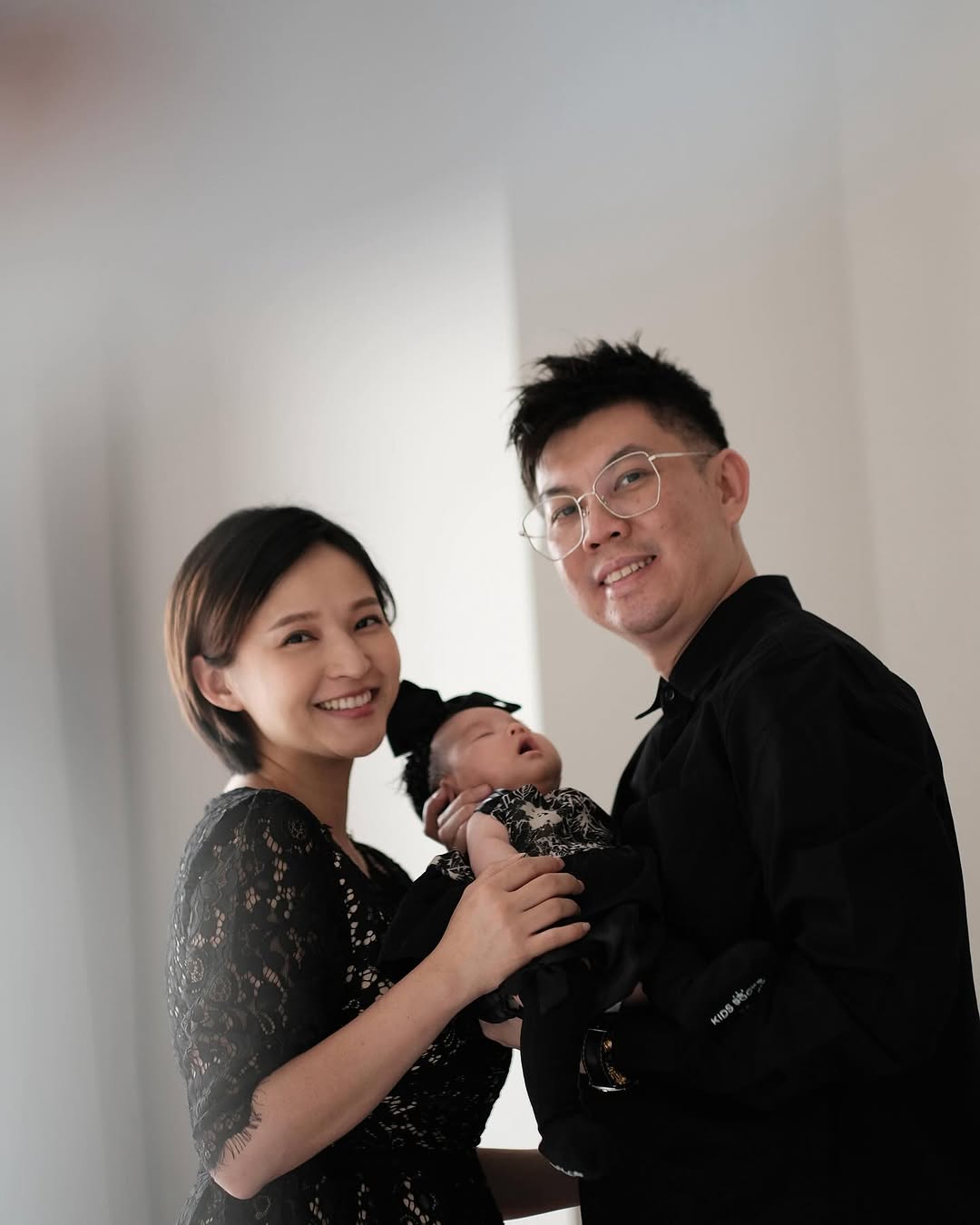
I have always been particular about my diet—it has to be delicious as well as nutritionally balanced—and Amazing exceeded my expectations in every way. Each day during my confinement was fulfilling. Beyond providing professional care, the team also taught us a great deal about caring for our baby. The environment is spacious and comfortable, creating a relaxing atmosphere, and every confinement meal was something I genuinely looked forward to, always bringing a delightful “wow” moment.
Amazing’s services are exceptionally attentive. The lactation consultant, caregivers, and TCM doctor regularly checked on my physical condition, while the nurses kept me constantly updated on my baby’s status, allowing me to rest with complete peace of mind. The postnatal classes were especially valuable, equipping my husband and me with many practical skills.
My experience here was extremely satisfying, and if I have a second child, I would definitely choose Amazing again. My heartfelt thanks to the entire team for their thoughtful and dedicated care.

As a first-time mother, I chose a confinement center to ease the burden on myself and my family. Only after giving birth did I truly realize how much a mother has to cope with—recovering physically while also carrying emotional stress and pressure. Without Amazing’s support, I might have completely broken down.
No matter what issues came up, the team was always there to help us right away. They truly value feedback from parents, which made us feel genuinely cared for. The environment is comfortable, the care for both baby and mother is professional, the meals are healthy and delicious, and the support from the TCM doctor and lactation consultant gave me great peace of mind.
The anxiety and helplessness I felt at the beginning gradually faded thanks to Amazing’s companionship and guidance. With their experience caring for hundreds of first-time mothers, I felt confident entrusting both myself and my baby to them.


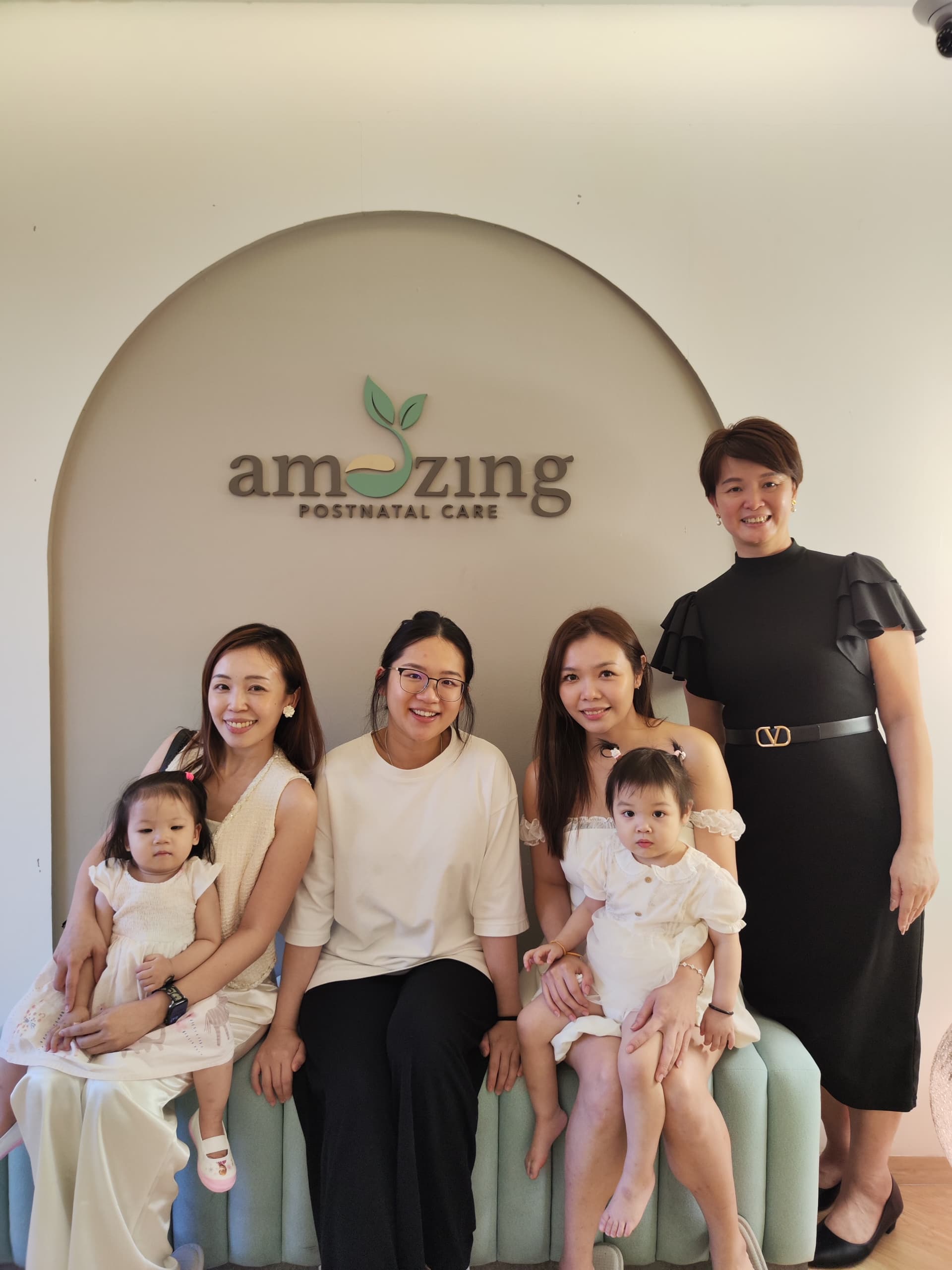
A baby’s brain development does not begin when a child starts talking or walking—it starts at birth. In fact, the first weeks and months of life are one of the most critical periods for brain growth and development.
During this time, a baby’s brain grows rapidly, forming millions of new connections every second. Early care, environment, and interaction play an important role in shaping cognitive ability, emotional security, and long-term learning capacity.
How a Baby's Brain Develops After Birth
At birth, a baby’s brain is about one-quarter the size of an adult’s brain. In the first year of life, it grows faster than at any other time.
Brain development after birth includes:
From the moment they are born, babies learn through their senses. Gentle touch, soothing sounds, eye contact, and familiar voices all stimulate brain development.
Simple daily activities such as holding, talking, and responding to a baby’s needs help strengthen neural pathways that support emotional security and cognitive growth.
Nutrition plays a vital role in early brain development. Breast milk or properly prepared infant formula provides essential nutrients that support brain growth during the newborn stage.
Adequate nutrition helps support memory, attention, and overall neurological development, laying the foundation for future learning.
Sleep is essential for a baby’s brain development. During sleep, the brain processes information, strengthens connections, and supports healthy growth.
A calm environment and consistent routines help newborns develop healthy sleep patterns that support brain development in the long term.
A baby’s brain develops best in a safe and nurturing environment. Responsive care—such as comforting a baby when they cry—helps build a sense of security.
This emotional safety supports healthy brain development and helps regulate stress responses later in life.
Professional postnatal care plays an important role during the early days of life. Skilled caregivers help ensure that a baby’s physical, emotional, and developmental needs are well supported.
This allows parents, especially mothers, to recover while knowing their baby is receiving attentive and consistent care.
A baby’s brain development begins at birth and is shaped by early care, nutrition, sleep, and emotional connection. By providing a nurturing environment during the newborn stage, parents can support healthy brain development that benefits their child for years to come.